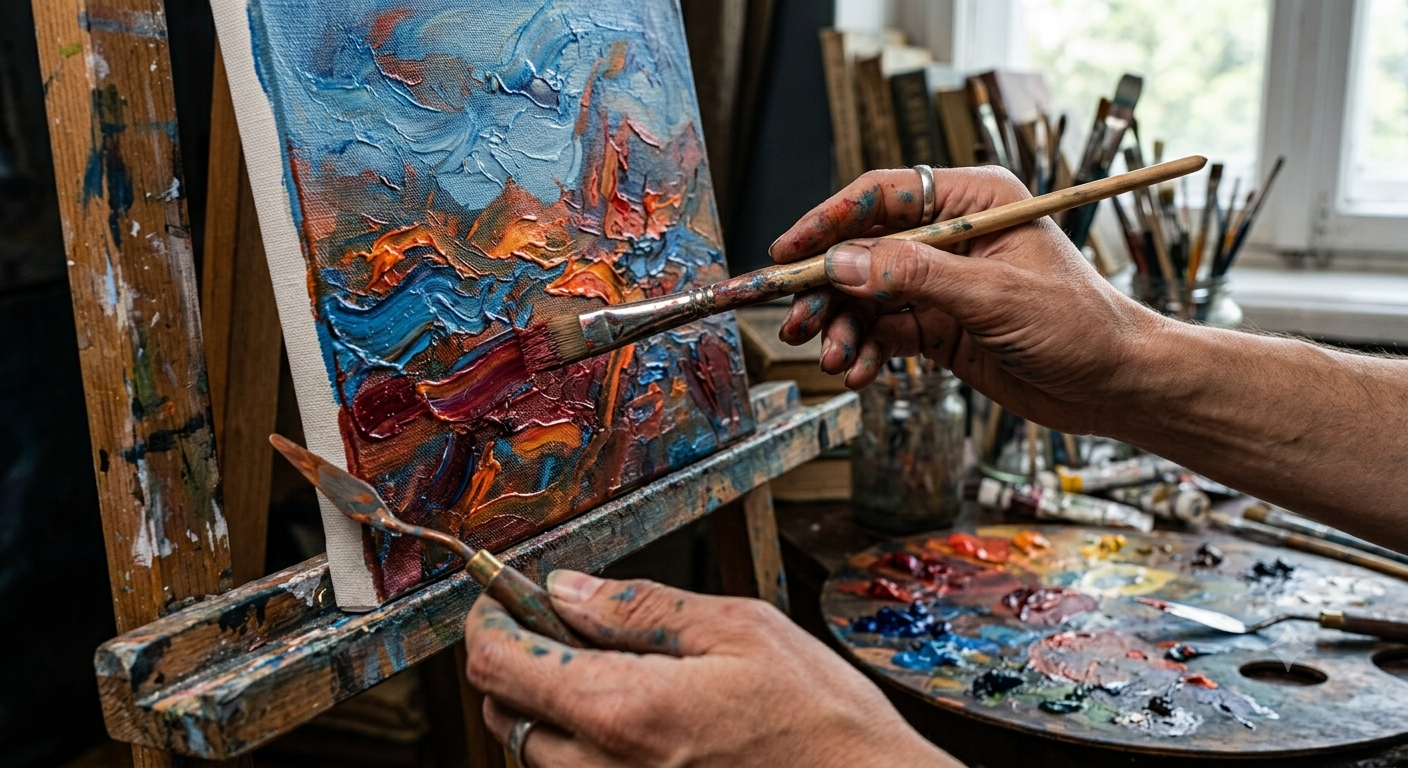
Design is not just an aesthetic result; it is the reflection of a structured creative process that transforms abstract concepts into functional visual solutions. This path begins with immersion and research, where the mind decomposes the problem, and then moves on to the ideation and sketching phase, where ideas flow without filters. The magic happens when the designer connects concepts that seemed to have no relationship with each other, achieving that spark of innovation that solves a communication challenge in an unexpected and strategic way.
So that this engine does not stop, cognitive stimulation is the indispensable fuel that keeps the mind agile and receptive. By exposing the brain to new disciplines, solving logical problems or simply changing the environment, lateral thinking is made more flexible - the ability to find alternative paths in the face of the same problem. In design, training the mind is not a luxury, but a daily necessity that expands our mental library of references and allows us to create deeper, more original and high visual impact connections.